From a workshop in Queens to a 1926 mill in Roxboro, North Carolina.
2013 — The Workshop
After an apprenticeship at a traditional fine cabinetmaking shop in Brooklyn, Bryce Williamson started Stokes in 2013 in a 2,000-square-foot space, shared with four other woodworkers, in Ridgewood, Queens. Stokes built only custom cabinetry at first; in 2015 it added a CNC machine and began fabricating small-batch designer furniture.
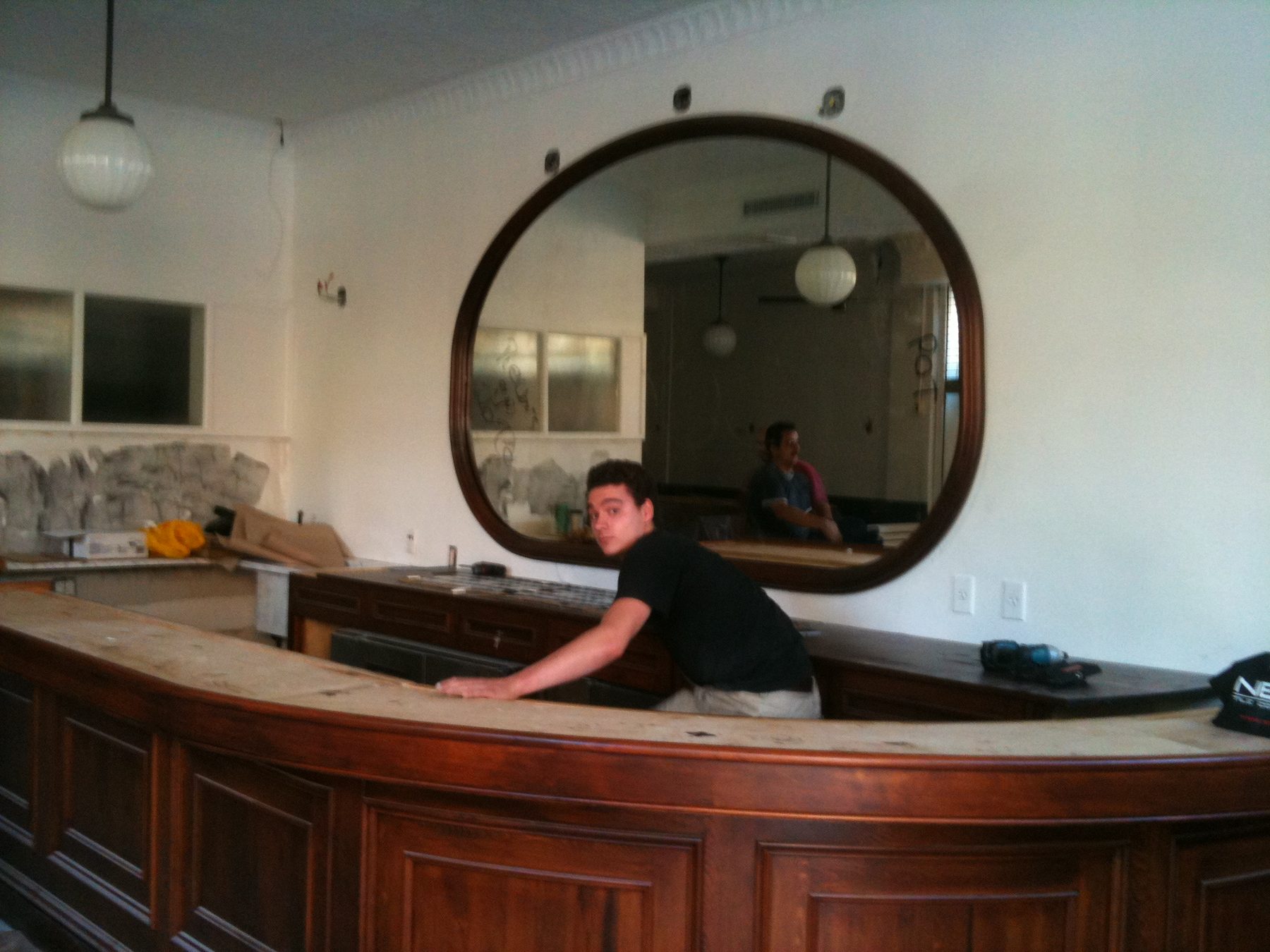
Bryce during his apprenticeship
The Name
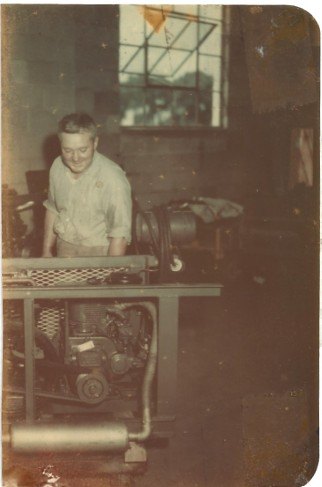
Bryce named the business after his great-grandfather, Joe Stokes, a skilled engineer and builder. Joe designed and built the tugboat Grover Stokes in Chicago in 1936, and with his father, Grover Cleveland Stokes, built refrigerated trucks and boxcars. Bryce felt that he was continuing a family business, only one that had skipped a couple generations.
“…too tired to start, having been up all night loading trucks. So I had to sleep. Today I had to rebuild the ignition system on one of the Fords.”
Joe Stokes, letter to his wife, Katherine, Nov. 25, 1935
2018
After five years of schlepping it in New York City, Stokes moved its operations to the Triangle region of North Carolina, Bryce’s home state.
2022
Stokes purchases, renovates, and moves into the Somerset Mill in Roxboro, North Carolina.
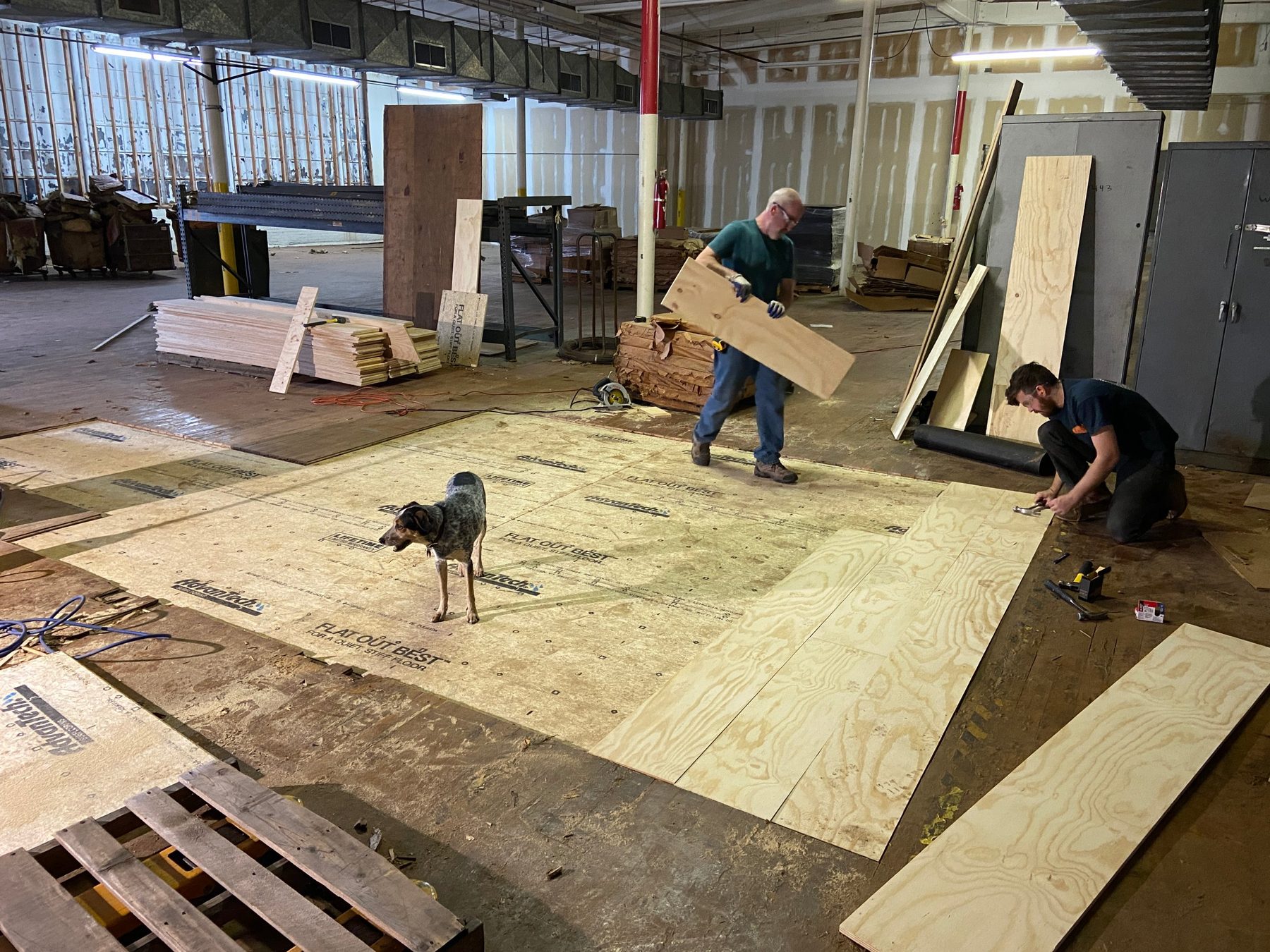
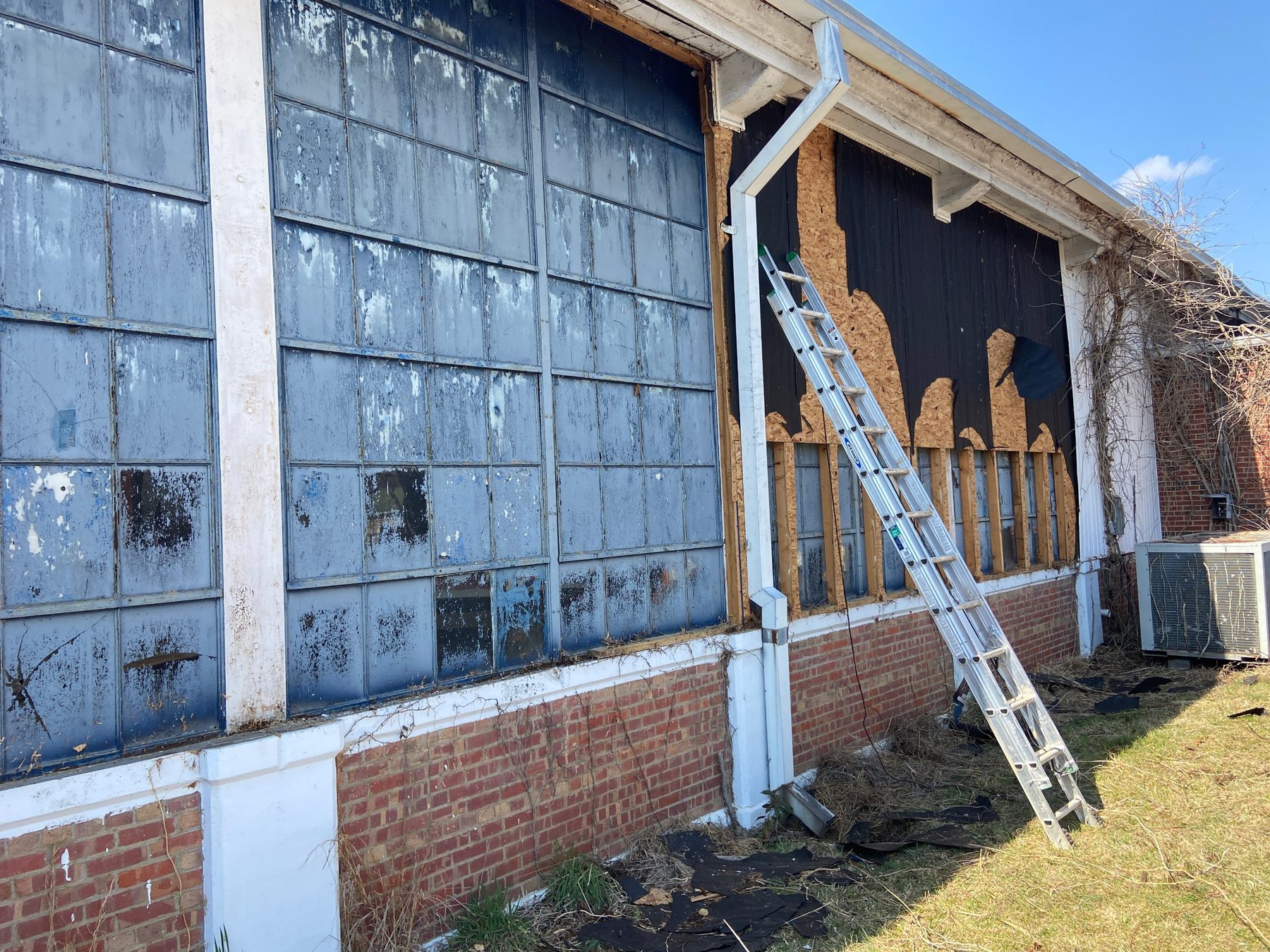
Renovating the mill, 2022
The mill
A building made for making things.
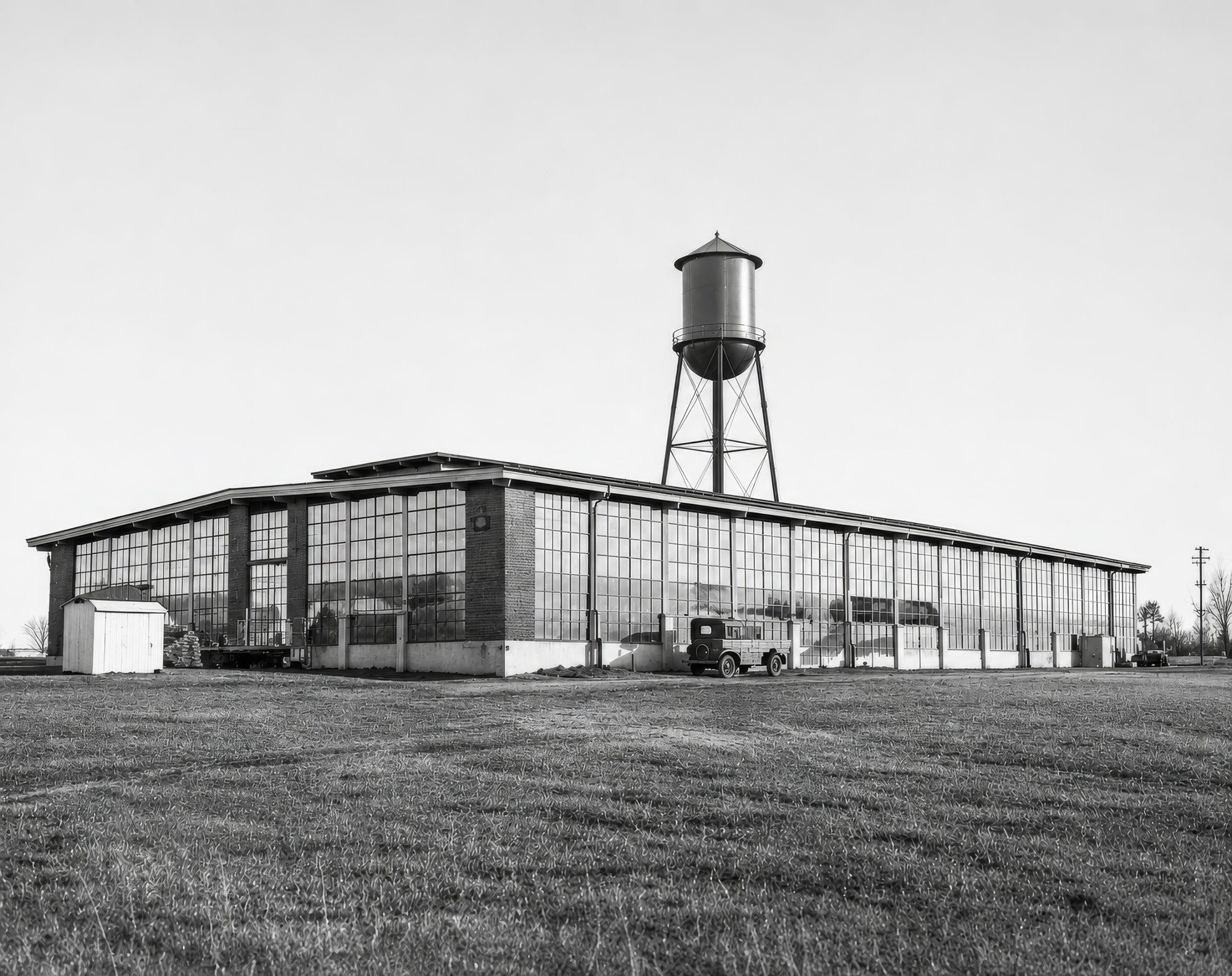
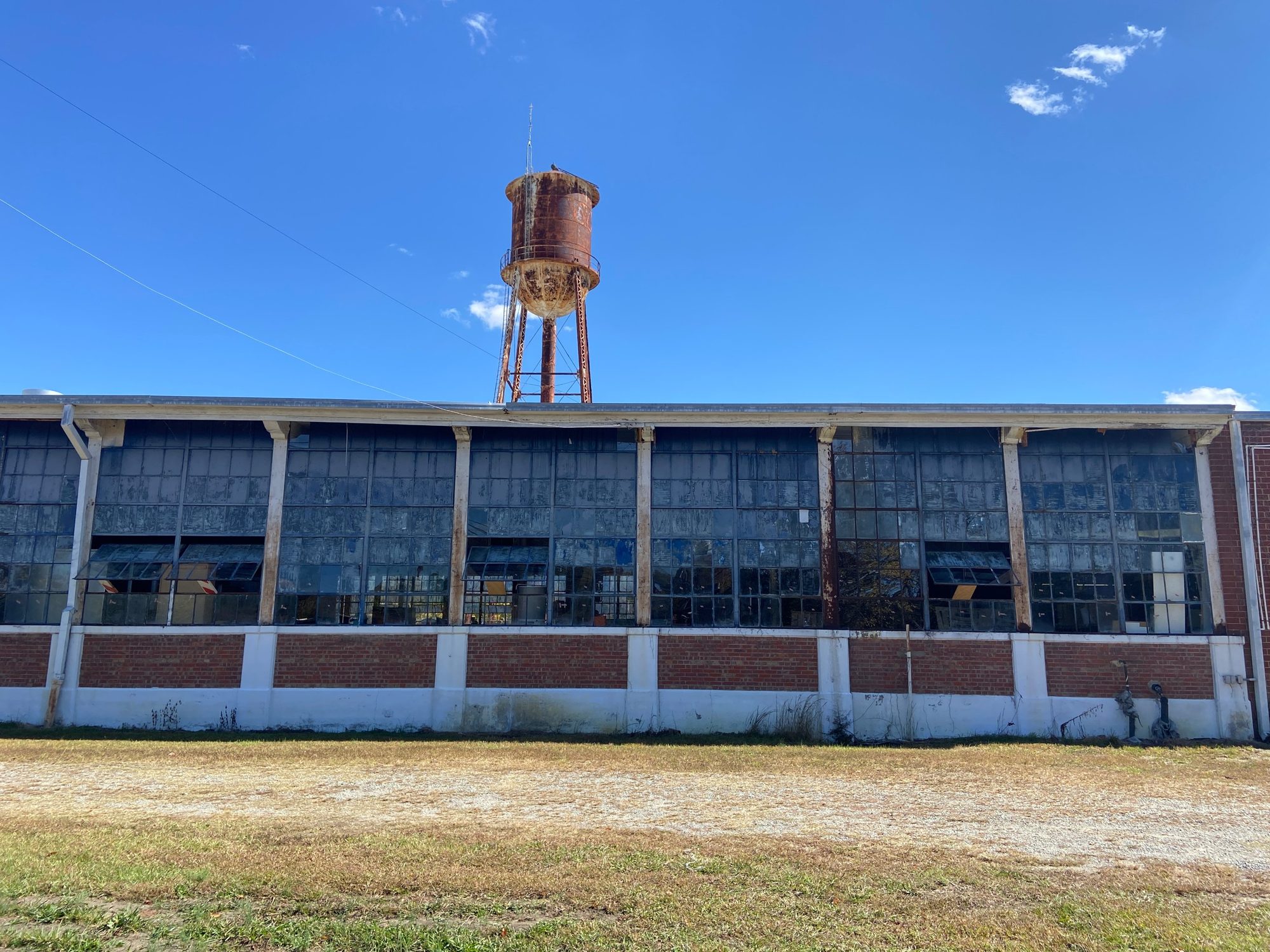
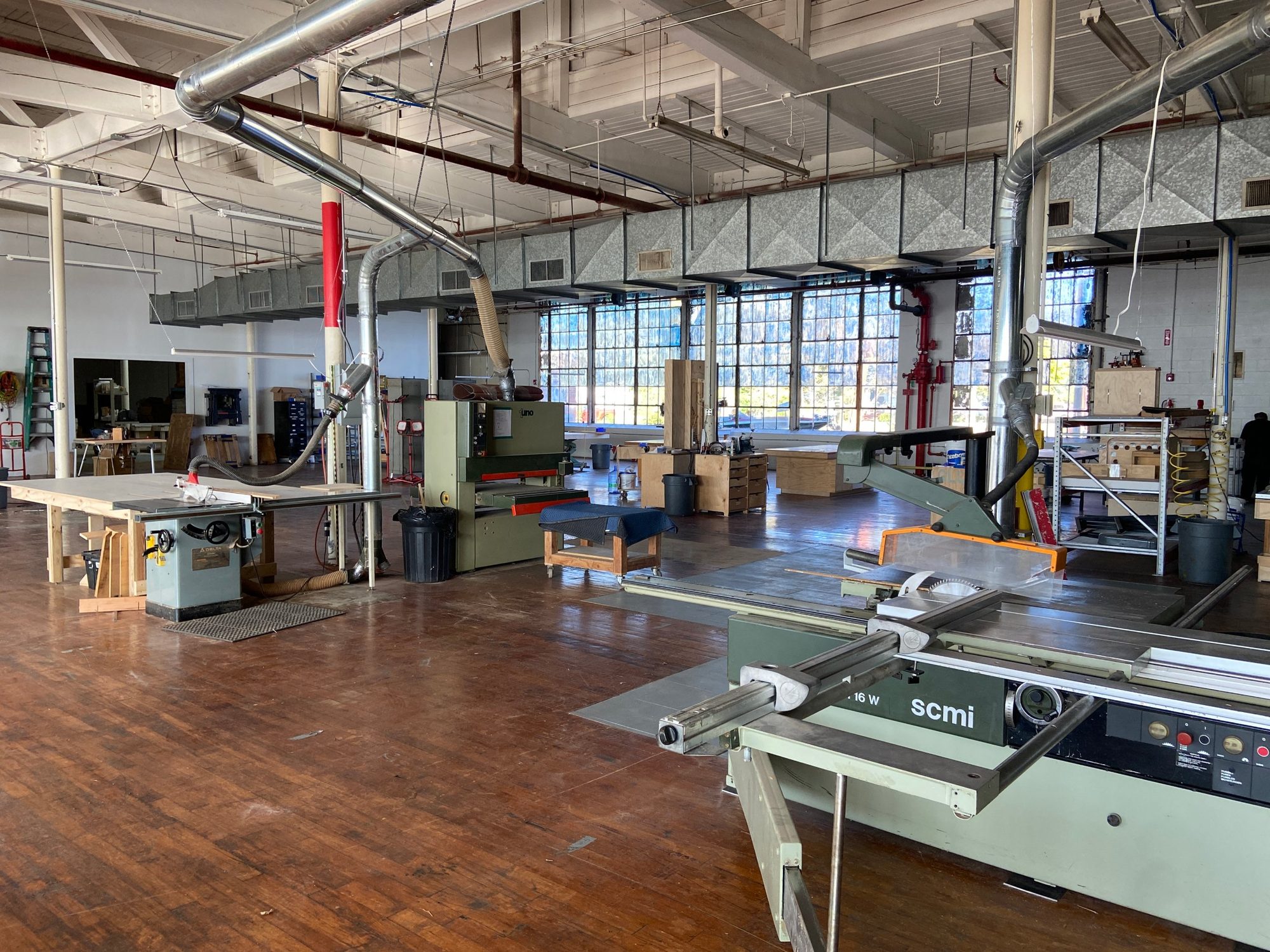
The Stokes workshop is the Somerset Mill in Roxboro, built in 1926 to spin cotton into thread and now listed on the National Register of Historic Places. Its walls of steel windows and open floors were designed for daylight and work. Stokes purchased it in 2022, renovated it, and moved in.
1926
Built in 1926, Somerset Mill is Person County’s most intact 1920s textile mill and one of only four mills ever built in the county. Its steel frame, curtain walls of stacked steel-sash windows on a brick knee wall, monitor roof with clerestory windows and wood floors illustrate the fire-resistant “slow-burn” construction that insurers required of 1920s textile mills.
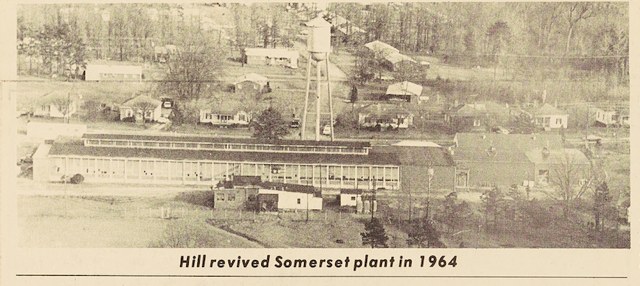
1964
Hill revives the Somerset plant.
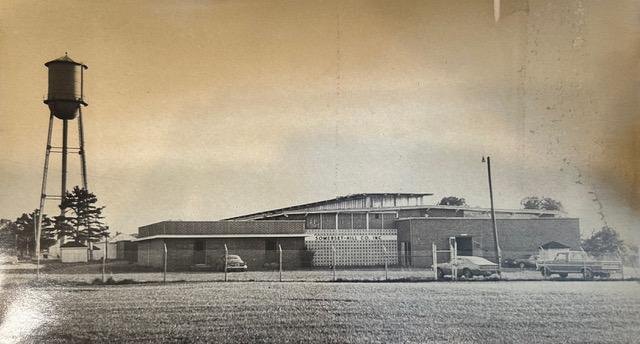
c. 1980s
Textile manufacturing under Crown Crafts: towels and bedding, with hundreds of people working across several buildings in town. In 2000 production moved overseas, and the building sat empty for two decades.
2022
Stokes buys the 40,000-square-foot mill on 10 acres. The team renovates it, the boarded-up windows begin to come back, and in October 2022 the workshop opens.
Today
The mill is a work in progress and will be for many years. Stokes continues to chip away at the restoration.
The Stokes workshop
Almost everyone in Roxboro has a relative, or knows someone, who used to work in this building.
Tobacco trailers still fill the roads in the fall, and the corner store has been serving biscuits to the people who work here since the ’70s.